
Mention of specific companies, organizations, or authorities in this book does not imply endorsement by the author or publisher, nor does mention of specific companies, organizations, or authorities imply that they endorse this book, its author, or the publisher.
Internet addresses and phone numbers given in this book were accurate at the time it went to press.
© 2018 by Maya Wilson
All rights reserved. No part of this publication may be reproduced or transmitted in any form or by any means, electronic or mechanical, including photocopying, recording, or any other information storage and retrieval system, without the written permission of the publisher.
Note: page numbers listed below refer to the print edition.
Photographs by Maya Wilson, except those by Danae Wilson on pages 52–53, 110, 155, 200, 201, 217, and all photos of the author
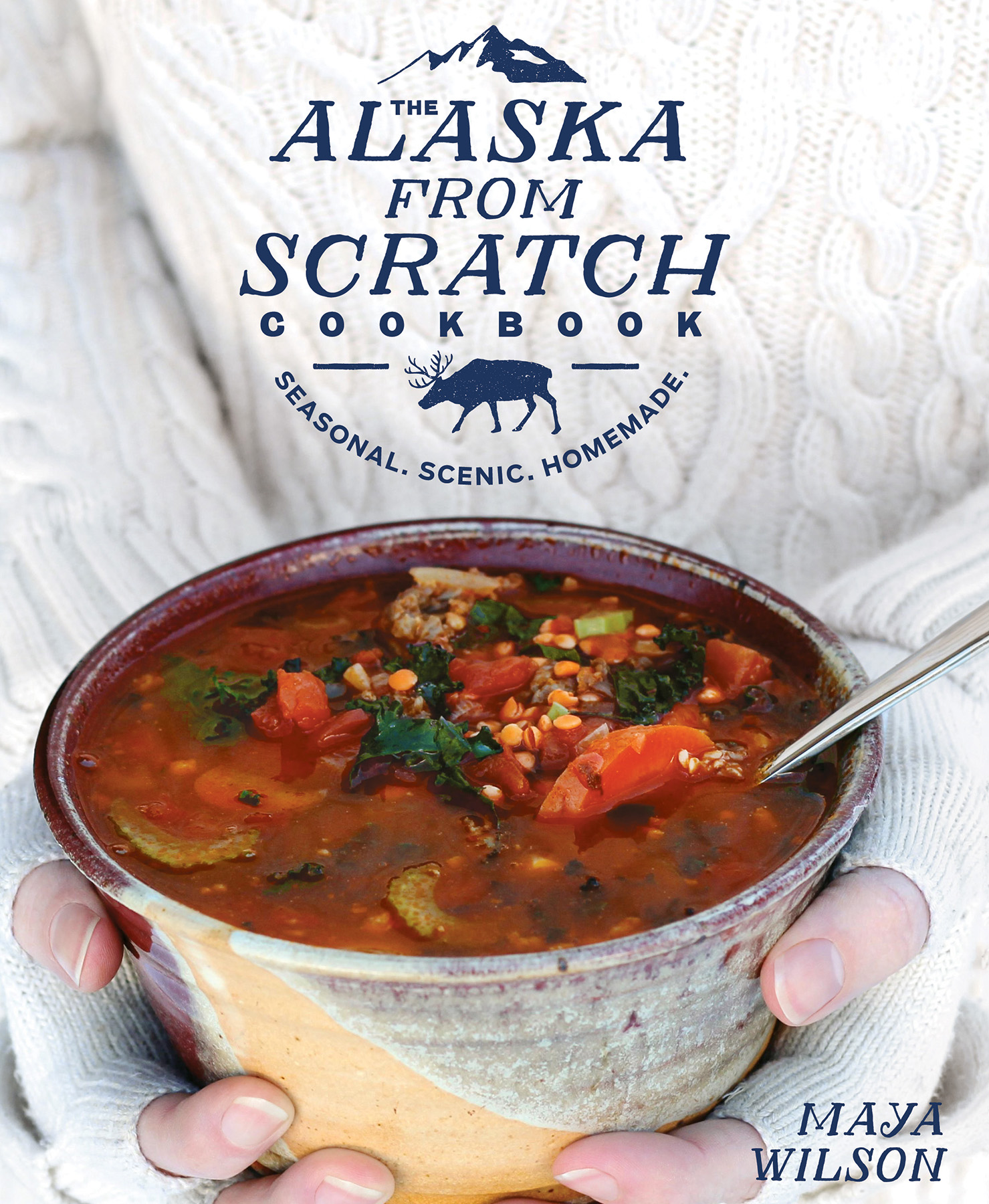
Recipe on front cover: Spicy Chorizo Red Lentil Soup with Kale, page 51
Recipes on back cover: (bottom, right) Hunter's Pie, page 137, and (bottom, left) Salmon Burgers with Sesame Slaw and Wasabi Mayo, page 73
Illustrations by Diane Tusi
Book design by Rae Ann Spitzenberger
Library of Congress Cataloging-in-Publication Data is on file with the publisher.
ISBN 978-1-63565-063-1 hardcover
ISBN 978-1-63565-064-8 e-book

We inspire health, healing, happiness, and love in the world.
Starting with you.
RodaleWellness.com
RodaleBooks.com

FOREWORD BY KIM SUNÉE
INTRODUCTION
1 ALASKA MORNINGS
BREAKFAST
2 SURVIVING ALASKA
SOUPS
3 BOUNTIFUL ALASKA
SEAFOOD
4 ALASKA EVENINGS
MAIN DISHES
5 CHEERS TO ALASKA
BEVERAGES
6 BAKED ALASKA
DESSERTS
ACKNOWLEDGMENTS
Maya Wilson’s beloved blog, Alaska From Scratch, introduced me to a woman who had uprooted her life from the sunny shores of California to the wilderness of Southcentral Alaska. In her kitchen on the Kenai Peninsula, she found both a place to call home and a sounding board for a voice that for too long had been silenced.
When I first met Maya, I, too, had recently moved to Anchorage, a place that had never been on my wanderlust radar or bucket list. Of the large and rowdy group of food lovers and chefs, I was most drawn to Maya’s calm energy; I understood in that first evening that here was a woman who had lost so much and yet in her new home had found a way to transform grief into something nourishing and joyful.

“Some losses are huge and sudden,” Maya writes. “The kind that shock you and take your breath away, happening in a moment and leaving you never the same. … It’s hard to know who you might have been without the loss because it has seemingly always been there.”
If we are lucky, we are able to look through to the other side, to all that there is to gain and the joy to be had from that discovery. Maya came to joy later in life—she, like myself, came to accept that happiness can sometimes be something we choose. And in this case, the old adage is true: Better late than never.
Alaskans can be welcoming yet wary of the outsider; once they let you in, however, they can be at turns warm and quirky, frank and exuberant. To embrace this land is to embrace its harsh beauty—the majestic peaks of the mountain ranges, a back country that is unforgiving but will reward you with a lifelong bounty of indelible moments rich with surprise and beauty.
Not only is this book a love song to the wondrous landscape that is Alaska, but Maya’s story and recipes—everything from Smoked Salmon Pot Pie and Chocolate Mint Earthquake Cake to Key Lime Cheesecake with Pretzel Crust and Cashew Horchata—that she has so generously shared burst with flavor and color.
It took me some time and lots of exceptional five-element acupuncture to finally understand that in order to live this life, in this place, mindfully and joyfully, I needed to no longer lament all that was missing—friends in other parts of the world, readily available ingredients from warmer climes— and finally open my eyes to all that I had gained, including new, deep friendships; the privilege of living in one of the most beautiful landscapes; and a new family.
Maya is one of those important friendships. And this cookbook, like she, is no ordinary adventure. She has taken what’s “missing” or “unavailable” in Alaska and, true to the kitchen wizard that she is, created her own food, and a new life. Hers is the story of an arduous emotional journey, a tale of caution to those of us who ignore what’s deepest and true inside our hearts.
Because she is like many of us who find solace in the kitchen, in the act of creating a dish to feed and nurture, Maya is right there with us. She’s an authoritative guide who offers her own story, unvarnished. Whether guiding us through the healing process of making gnocchi or sharing her sheer delight in baking a cake from scratch, Maya folds us into the warmth of her home like the many layers of a rich and buttery puff pastry.
“In all of the hardest moments of my life,” she writes, “cooking has always helped me find my way back home.”
Alaska from Scratch could also be called Life from Scratch. We live in shaky times, on shaky ground, but cooking is inclusive, a way of gathering disparate cultures and people to a common table. The kitchen is Maya’s terra firma where she generously offers up a menu of comfort foods that both ground and transport. So, wherever you may be in the world, as you cook your way through this book, may you find your own sense of home.
—KIM SUNÉE, 2017
“All the magic is in the space between mountains, where we have to unbecome everything we thought we were and start from scratch.”
-GLENNON DOYLE

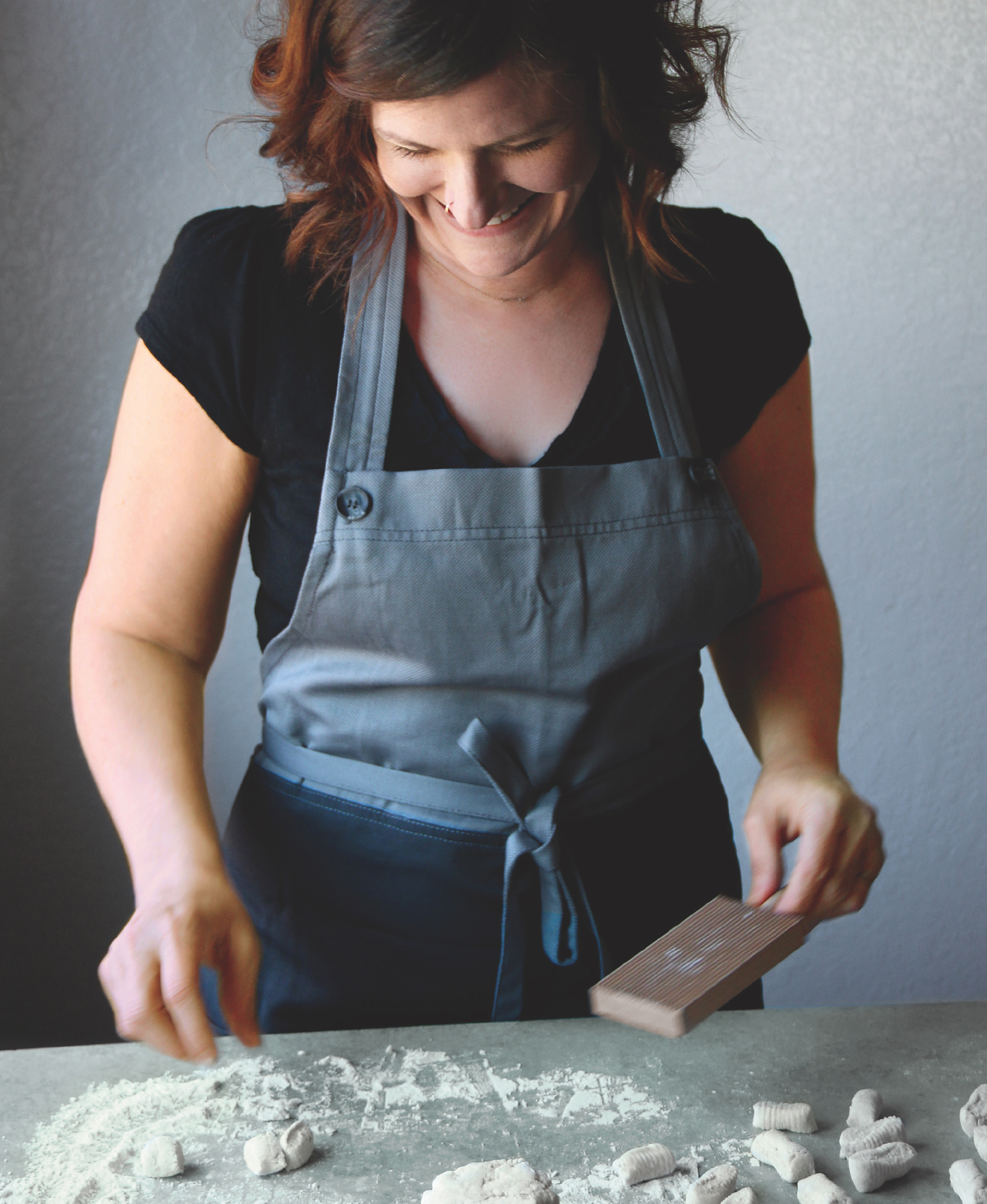
“P.S. You should write a cookbook.”
Just like that, she said it, handwritten in pen on creamy off-white lined paper. She discreetly placed the letter on the kitchen counter just before she left Alaska on a flight back to San Diego. She knew I was sure to find it there waiting in the kitchen after our tear-soaked goodbye in the driveway. At the very bottom of the note, I found this simple postscript, disguised as an afterthought, but very much not. That pesky little P.S. carried so much weight for me and stirred me to the core, just precisely as she knew it would.
Everyone needs someone like her in their life—that one person who pushes you, believes in you, fights for you, continually reminds you, “You have it in you.” The one who has a way of getting you to verbalize all of the things inside of you that do not yet have words, the person who sees the unwritten book within and demands you let it out. We all need at least one person who helps us find the courage to lean into exactly whom we were meant to be.
Amid the chaos of my three young children on vacation from school, the bustle of summer houseguests, and the frantic clicking of my springer spaniel’s paws on the wood floors, I swirl about the kitchen preparing dinner for eight—a large pot of ginger peanut hoisin noodles fit for a crowd. The unmistakable aroma of garlic lingers heavily in the air. I grab my stack of mismatched Alaska pottery bowls and dish up pile after pile of glistening noodles tangling together with cilantro and scallions.
“Who wants chopsticks?” I call out to no one in particular and everyone at once, holding about a dozen of them in my hand. “Don’t forget the Sriracha,” I suggest, nodding my head in the general direction of the essential red bottle as I continue to plate the last of the food. Someone eagerly jumps up and grabs it, transferring it to the table, where it gets passed around.
All the seats are now full, including the dark wood piano bench from downstairs that creates extra space for guests. The overabundant summer sunlight pours in the unshaded windows, casting everything in gold, illuminating the shapes of the tall evergreen trees just outside. A hush falls over the house as I look on from behind the kitchen counter, that sudden quiet when everyone contentedly comes to rest at the table and begins to eat. I live for that moment. I pause to soak it in, slowly scanning the room to make sure everyone has what they need. Then, finally, I let out a deep breath and lean over the counter to rest my legs, taking a couple of bites of noodles.
One head turns and watches me from the dining room. She stops eating midbite and keeps looking in my direction, waiting. Her eyes break away, scanning the table briefly, a flicker. “Maya, come sit with us,” she urges. Two other guests look up from their bowls, suddenly aware, and they chime in. One of them jumps up to locate a chair for me. I lower my head, my face flushed with embarrassment, and wave my hand dismissively to say I’m fine. She insists with her eyes. I reluctantly agree as another chair is placed and I am out of excuses.
This was the day I realized there was no place for me at my own table.
Somewhere along the way I had become like Mrs. Patmore on Downton Abbey who pours her life into preparing and serving dinner each day, but never emerges from the downstairs kitchen, where she can be found eating leftovers and washing dishes. I was hiding in plain sight. The food was the representation of me at the table, but I had become invisible. I hadn’t set a place for myself, nor had I demanded one be made for me. I was nourishing others but didn’t feel worthy of the same nourishment myself.
That night over those noodles, someone saw me. She didn’t just see the Maya leaning over the kitchen counter, but she saw the little Maya within, the child with food insecurity standing in the schoolyard trying not to look longingly at everyone else’s lunch. The little girl who quietly hoped someone would share their sandwich, yet who felt deeply ashamed when someone actually did.
So I set out in life, rather subconsciously, to fill that empty stomach by nourishing those around me, attempting to ensure that no one I loved would ever know that same sense of hunger, unworthiness, lack of belonging, or shame. I strive to feed people, take care of them, and make them feel safe and at home. When I open up my kitchen, I open up myself, and somehow that vulnerable girl within me feels a little bit fuller and a little less small.
Writing this book is a daily exercise in making a place for myself at the table.
Come sit with me.
There are a few things I’d like you to know about me and my food philosophy as you read this book. I live in a modest three-bedroom rental home on the Kenai Peninsula with my family of five, along with our dog, Rosie. My kitchen is not large; my appliances are not new; my countertops are not big, and they are not made of marble. Or granite. Or butcher block. Although I think all of those are splendid and beautiful. I don’t have a lot of expensive kitchen equipment or an expansive collection of dishes and props. Heck, I don’t even have a pantry. I have a lazy Susan inside of a low cupboard that I use as a makeshift pantry. We bought our dining room table on clearance, and it seats all of us comfortably in the small dining space adjacent to the kitchen. I do nearly all of my cooking, eating, and food styling in these spaces. While it may not be fancy, it is cozy and simple and adequate. There is ample space for both food and memories to be made. There is plenty of room for love and nourishment to take place. That’s all I really need. The rest is gravy.
I like to think that I’m not so different from your average working mother of three. On school days, I’m the earliest riser. The coffeepot is my alarm clock, and I wake up to the smell of dark roast brewing and the faint sounds of trickling and intermittent puffs of steam. I’m up at 5:30 a.m. drinking my first cup of coffee in an attempt to ready myself for the long day ahead. I proceed to wake up the kids one by one, make breakfast, and pack three very standard sack lunches. While it’s still dark, I drive my kids to the bus stop in my Subaru Outback with the cracked windshield. A great many windshields in Alaska are cracked. It’s a thing. I imagine it’s due to the frigid temperatures and all the gravel roads tossing rocks around. One hardly knows, but it adds to my Subaru’s rugged Alaska-ness, so I embrace it. Most mornings, my wife and I sit together at the table over the crossword puzzle, coffee in hand. My second cup, her first. Mine with vanilla creamer, hers black. We then enjoy a small breakfast—almost always a couple of eggs on a shared plate, two forks.
If I have a deadline for my newspaper column looming, I’ll go straight from the bus stop to the local market, shuffling into the store in my fuzzy slippers and sweatpants, with a knit beanie on my head, to pick up a few ingredients for recipe testing. The grocers all know me there, greet me warmly, and joke about how often I visit the store, but none of them have any idea what I do for a living. No one has ever asked, and it’s not usually information I volunteer. I go incognito. Anonymity is hard to come by in this small town, and in Alaska in general, so I tend to guard it fiercely whenever I can find it.
When I pull back into my driveway after shopping, my retired neighbor across the street might be shoveling snow. When he sees me, he’ll wave to me, his big yellow dog somewhere nearby. I might offer him some baked goods in exchange for bringing his snow blower over and clearing my driveway. His face will light up and he will gladly oblige. Because in Alaska, we help each other out, trading one kindness for another.
At the end of the day, there is nothing particularly glamorous about this pajama-clad food writing gig of mine. If I can make this food, you can make it, too. I am self-taught. I grew up reading cookbooks and devouring cooking shows, and I have always had an unquenchable curiosity about ingredients, new flavors, and the food preferences of those around me. I collect people’s food preferences like a secret recipe box stashed inside my head. I pride myself on knowing both the favorite and most despised flavors of my friends, family, and guests. I am well acquainted with their food allergies and diet restrictions, too. I suppose it’s the way I’m wired.
To help best convey my food philosophy, allow me to address some of the questions I am frequently asked by readers.
I cook to nourish those I love. I have an insatiable need rooted somewhere deep within me for people to be well fed and taken care of. While we can’t always know why we become who we become, I imagine that this need I feel is largely the result of the food insecurity I experienced throughout my childhood. I learned to cook at an early age out of necessity—to make something out of nothing, much out of little. In preschool and kindergarten, I would make the kitchen my play space, using canned goods as building blocks, and singing lullabies to the pots and pans before tucking them in underneath kitchen towels and shutting the cupboards at the end of the day.
Goodnight dishes. Goodnight dishes. Goodnight dishes. It’s time to go to sleep …
One of the first things I ever remember making as a kindergartener in our Pasadena kitchen is a mayonnaise sandwich—a smear of mayonnaise on white bread. When we were out of bread, a pat of butter (Ahem. Who am I kidding? It was margarine.) on a microwaved flour tortilla was another one of my go-to’s. In elementary school, I was a pro at the just-add-water pancake mix, blue boxes of macaroni and cheese, and packages of Top Ramen that cost only pennies at the time.
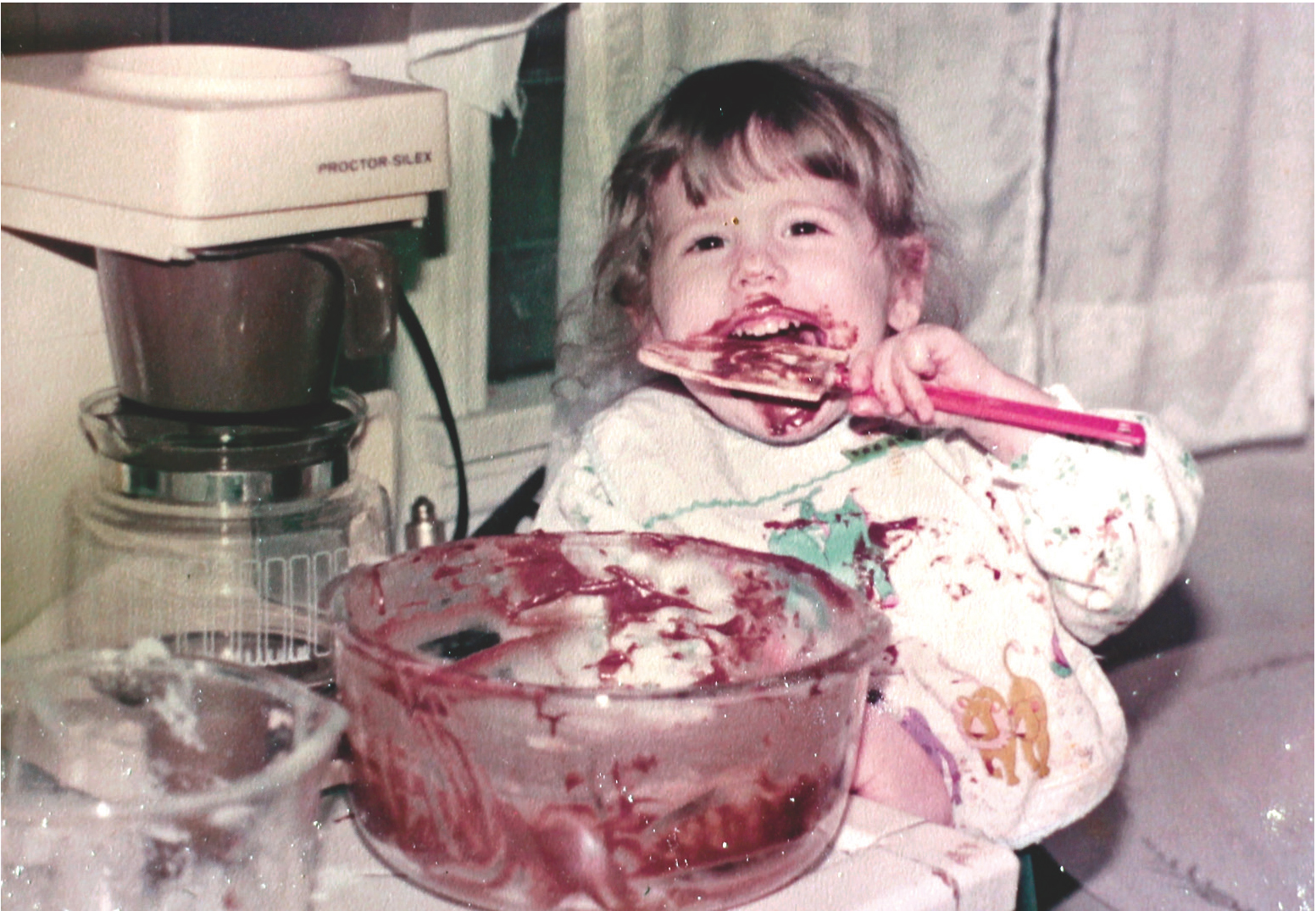
My mother had a special concoction she called Ogg Nog Mush Mog, which was a box of macaroni and cheese with a little ground beef and canned corn mixed in, a makeshift Hamburger Helper of sorts. Occasionally we would splurge and get the fancier box of macaroni and cheese with the squeezable cheese product in the shiny foil package tucked inside. I remember getting really excited about little things like that. If there was something sweet, my mother liked wiggly brightly colored Jell-O gelatin, sometimes with canned fruit or nuts or cottage cheese mixed in. Her specialty Jell-O mold for Valentine’s Day was red gelatin with cinnamon Red Hots candies stirred in, then studded with cubes of cream cheese and walnuts. Or lumpy instant pudding, usually chocolate. Just add milk and stir. My mother loved the thick layer of film that would form on top of the pudding when it was left uncovered, so she never covered it. These were my survival foods, the flavors of my childhood.
When I was 11 and living in Lincoln City, Oregon, I recall taking all of my mother’s food stamps and riding my bicycle to the store, where I bought as much food as I could possibly carry, including jars and jars of baby food for my new little half-brother. On the way home, I dangled the bags from my handlebars. The bike wobbled, bags broke, food fell onto the asphalt, but somehow I managed to get it all back to our single-wide trailer before dark. I made dinner that night, although I don’t recall what it was. Probably one of my mother’s favorites, like tuna noodle casserole, to try to make her happy, ever the people-pleaser. Those around me were going to be fed, and I was bound and determined to make it happen, even at a young age.
There were many days I went to school without breakfast and with no money for lunch. I would come home from school and plop down in front of the television to watch cooking shows on PBS, before the Food Network was even a thing, learning how to make food I didn’t have. I experimented with what was around, often gussying up a store-bought jar of spaghetti sauce, attempting to elevate it to something more than it was. By high school, I would get a ride with a friend to Taco Bell and hope that my then boyfriend had an extra 79 cents to spare so I could get myself a bean burrito, which he often did. When I was invited to friends’ houses after school, I could usually be found helping to cook dinner or washing dishes, and I was thankful for the opportunity to just sit at their tables and eat. I would confound my friends by adding a generous swipe of margarine to a bagel before topping it with cream cheese or by adding a big blob of it to my bowl of ramen noodles, just to get more calories. I’m pretty sure they just thought it was weird, but I would insist that it was delicious. I never admitted that it was because I was starving.
Because of my upbringing, I’m not a food snob. While many of the foods I ate throughout my childhood may not have been all that nutritious or even appetizing, they kept me alive, and therefore, I have a deep appreciation for them. To this day, I am not entirely above boxed macaroni and cheese (admittedly I prefer the organic, all-natural option), which ironically is my daughter’s current favorite food, despite having a food writer for a mother. Life has quite a sense of humor that way. Even in adulthood, when money has been tight, I’ve returned to these foods to make it by, although I admit to adding several more ingredients to my ramen noodles now than the packages call for, like vegetables, sesame oil, and Sriracha, sans margarine. And sometimes I still get a nostalgic hankering for Taco Bell, although Taco Bell in Alaska never quite tastes the same as it did back then.
More than anything, I cook because I want people to be fed and satisfied, and to know that inexplicable sense of wholeness that only a homemade meal made with love can provide. As a recipe developer, I get the privilege of feeding more and more people every day vicariously through each person who makes one of my dishes. It’s a dream come true for someone like me.
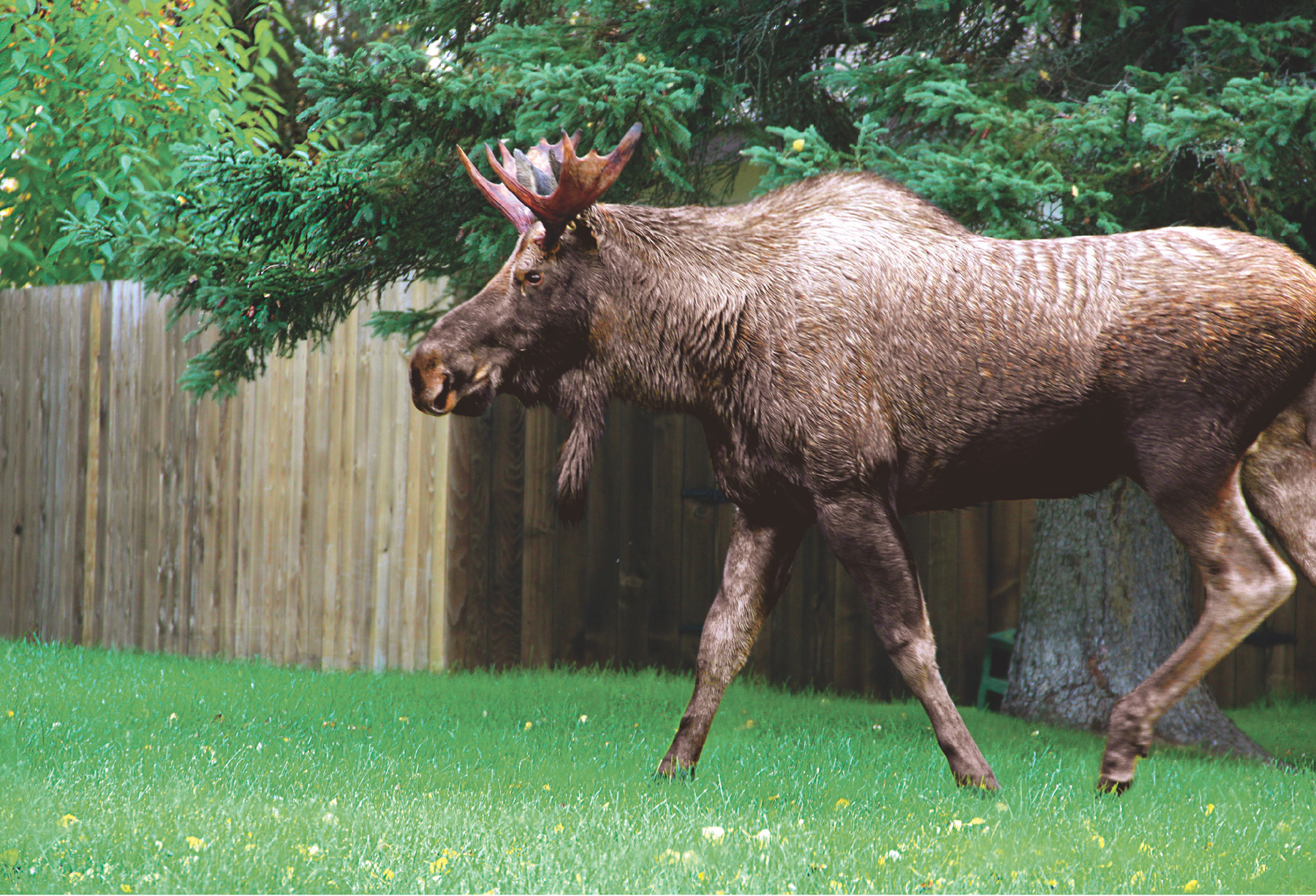
Absolutely not. I’m not the type of person who thinks that any food should be exclusively for anybody. Food and flavors are meant to be experienced and shared, and our tables and palates are meant to be expanded. As you’ll read later in this book, I’ve lived in several states, and my food reflects some of each of those places. My blog has readers all over the world. One of my fans who has been with me the longest and has, to my knowledge, cooked more of my recipes than anyone else lives in France and keeps in touch often. My weekly food column in the newspaper is similar. I often get emails from readers trying my recipes from all over the country and beyond. These recipes are for you, wherever you are.
You probably won’t need many hard-to-find ingredients. If I can find it in small-town Alaska, then you’ll likely be able to find it where you are. The things I can’t always locate here on the Kenai Peninsula, like vanilla bean paste for my London Fog recipe, I often order online from somewhere with free shipping to Alaska, like Amazon. If I’m using an unusual item, I’ll try to guide you to where you might locate it. If I’m using an Alaska-specific ingredient, like moose or reindeer sausage, I’ll be sure to suggest an equally delicious alternative for readers who live elsewhere. The only exception is the wild Alaska seafood featured in this book. It’s widely available, and if you can get your hands on it where you live, I highly recommend it. In my mind, there’s really nothing that compares to wild-caught seafood straight from Alaska waters.
Time-wise, most of my recipes won’t require you to be in the kitchen all day. The few exceptions are labors of love and are worth the effort. But, if I need to pick up the kids from the bus stop, drop off prescriptions, and go to a hockey game, I’m sure you probably have other things to do, too. Some of my recipes are quick and easy. But do bear in mind that cooking from scratch does require more time than grabbing takeout or heating up something ready-made. It’s absolutely worth it. I’m here to help.
It’s my hope to make cooking from scratch less intimidating and more accessible for families like mine. My food, like my personality, isn’t usually fussy. I’m more the down-to-earth type, and I hope that most of my recipes reflect that same approachability. I want my food to be memorable because it’s tasty and nourishing and comforting, not because of trendy techniques or impressive plating.
Nothing about life is perfect, and food doesn’t need to be perfect either. Food shows up in the messiness of our daily lives, grounding and sustaining us through all the moments, whether mundane or celebratory or grief-stricken. Amid the noise and chaos of the daily grind, we should be able to come to rest at the table. Oftentimes cooking and enjoying a homemade meal can be therapeutic at the end of a hard day. I want people to feel welcome, to kick their feet up, and to have the freedom to be themselves around my food. If that means you forgo setting the table, blast some music and dance in the kitchen, get food on your face, or eat with your fingers, then by all means do. You’ve come to the right place. No shame here. So much of life is difficult; the process of making food and feeding those we love doesn’t have to be. More than anything, I want it to be a fun, rewarding, and yummy experience.
That being said, there is a great deal of joy and satisfaction to be found when we conquer our kitchen demons: when we triumph over a recipe we once found impossible or intimidating, when we successfully try an ingredient we’ve avoided for years, or when we have the courage to try a method we think only the professionals can pull off and find we are more capable than we ever thought. We can do hard things. Don’t be afraid to try. I’ve gained so much confidence in the kitchen over the years, and I want to help you do the same. Start where you’re comfortable and grow from there. There are recipes in this book for most every skill level, so I’m hopeful you’ll find some that suit you, whatever your comfort level in the kitchen. There are hundreds more recipes on my blog to choose from, too.
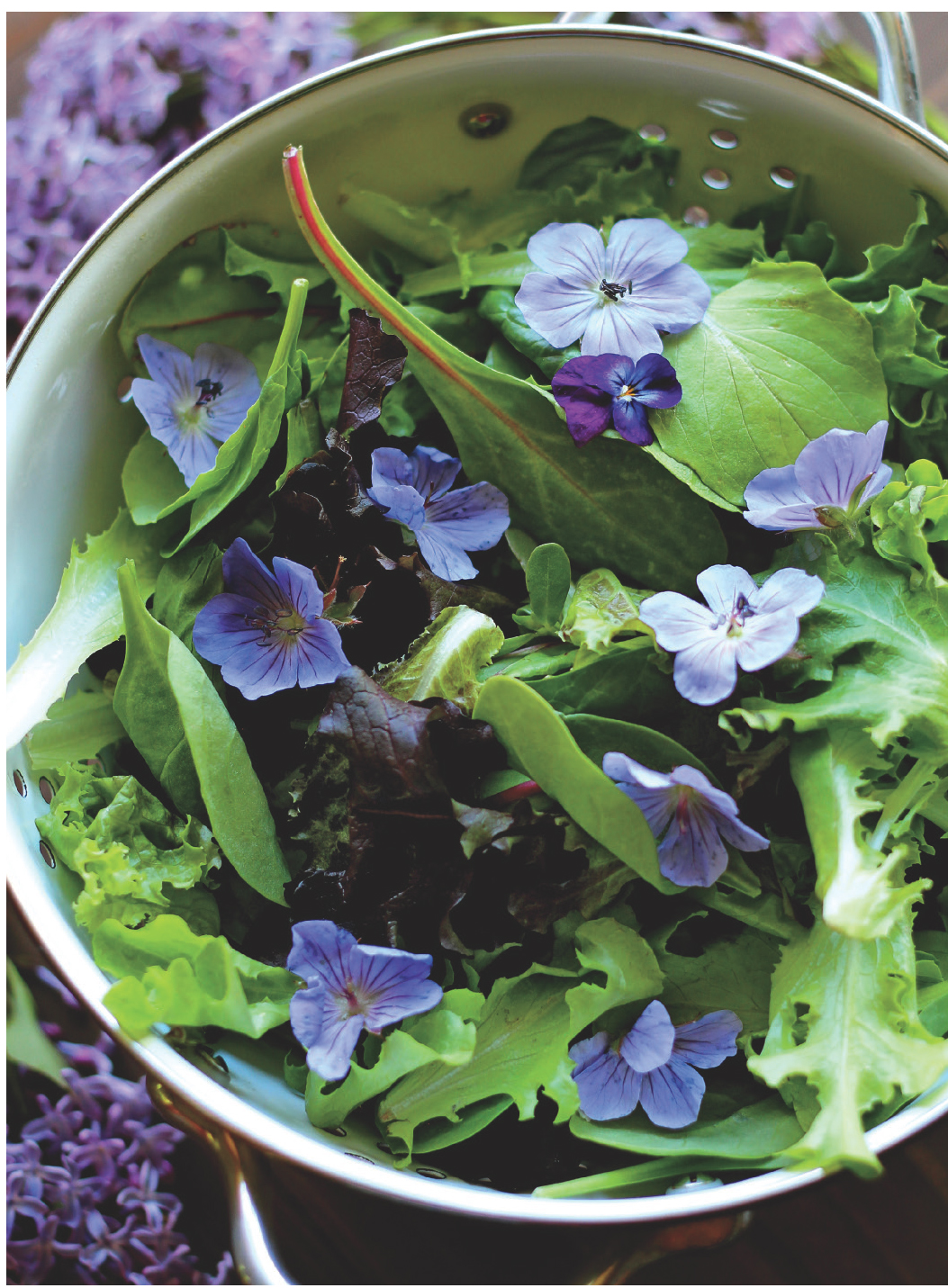
I always encourage experimentation, creativity, and ingenuity in the kitchen, as that’s how we learn and grow as cooks and gain a better understanding of flavor profiles. It’s also how we make the food our own, based on our own sensibilities and preferences. Kitchen experiments, even and maybe especially the failed ones, have taught me a great deal over the years about what works and what doesn’t in the culinary scheme of things. But please understand that I can’t guarantee the results when you make changes to a recipe. I likely haven’t tried it your way to be able to know for sure if it will work. If I’ve tried certain substitutions or different methods, I’ll usually mention it in the headnote at the top of the recipe. When in doubt, make the recipe as written once before making changes; that way, you have a baseline to which you can compare any future attempts.